 GB
GB
 AUS
AUS


Smartest Trends - Winter Pricing Insights Managing Volatility Together
This Smartest Trends explores how extreme cold and Winter Storm Fern have triggered historic volatility across U.S. power and natural gas markets. Freeze-offs, surging heating demand, and structural shifts in the generation mix have pushed prices to extreme levels, particularly in PJM and the Northeast. The article highlights near-term actions customers can take to reduce exposure and outlines longer-term strategies to manage winter risk through flexible procurement and hedging approaches.

Extreme Cold Is Driving Power Market Volatility
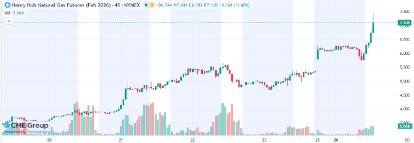
Extreme cold from Winter Storm Fern sent U.S. energy markets into turmoil, driving spot natural gas prices to historic levels as both demand surged and supply was disrupted. Over the weekend, Henry Hub prices averaged $28.20/MMBtu—the highest since 2000. Prompt month gas prices has doubled to $7.10/MMBtu in the last week. In power, Day Ahead and Real Time prices surged to $300-$500/MWh over the weekend. Balance of the month futures prices hit over $1,000/Mwh (remainder of Jan 2026) and prompt month following with a hefty $165/Mwh (Feb 2026) price tag today.
Weather
The U.S. power and natural gas markets are experiencing elevated volatility driven by a prolonged, widespread cold weather event that has pushed heating demand sharply higher across major load centers while the energy system operates with limited flexibility. Extreme cold caused significant natural gas production freeze-offs, shutting in more than 17 Bcf per day of supply and accelerating price increases that quickly flowed through to power markets. These impacts have been amplified by structural changes in the generation mix, including greater reliance on gas-fired and intermittent resources and reduced operational buffers compared to prior winters. Although high prices eventually prompted demand-side adjustments, such as reduced LNG exports, lower industrial demand, and increased imports from Canada, those effects followed a period of extreme pricing. Looking ahead, forecasts continue to show ongoing winter risk for PJM and the Northeast, where above-normal heating demand and the potential for renewed cold through mid-February could sustain market volatility.
What Customers Can Do Now: Immediate Mitigation
For customers exposed to index pricing, the most effective near-term mitigation is reducing consumption during peak hours. Even modest demand reductions, particularly during morning and evening peaks, can materially lower cost exposure when prices are setting at extreme levels. Operational flexibility, load curtailment, staggered processes, and discretionary usage reductions can all have an outsized financial impact during volatile conditions like these.
Customers should also closely monitor real-time conditions and price signals. Markets can move rapidly when weather forecasts shift or when grid operators issue new alerts. Understanding when facilities are most exposed to peak pricing allows customers to prioritize conservation efforts precisely when they matter most.
Preparing for Future Winters: Strategic Risk Mitigation
Looking ahead, this event reinforces the importance of planning for winter volatility rather than reacting to it. Cold-weather risk is increasingly structural, not exceptional. Customers should consider layered hedging strategies that balance price certainty with flexibility, such as partial fixed positions or seasonal hedges that focus on winter months when risk is highest. Spreading hedges over time and volumes can reduce the impact of short-term price spikes while still allowing participation in favorable market movements.
Longer-term planning should also account for how evolving generation mixes and fuel dynamics affect price formation. As gas-fired generation remains the marginal resource in many regions, gas market fundamentals will continue to drive power volatility. Evaluating procurement strategies with a winter-specific lens, rather than an annual average approach, can help align risk management with how markets behave during stress events like the current cold spell.
Key takeaways
Extreme cold has exposed how quickly power and gas markets can move when demand surges and system flexibility is limited. With peak prices reaching historic levels and volatility driven as much by structural change as weather, doing nothing carries real financial risk. Immediate demand reduction can help blunt near-term exposure, but longer-term resilience will depend on proactive winter planning, thoughtful hedging strategies, and a clear understanding of operational flexibility.
1. How can we reduce our exposure to winter price volatility while maintaining flexibility in our energy strategy?
-
- Evaluate partial hedging: Locking in a portion of February or late-winter power can help reduce exposure while still allowing participation in potential downside.
- Set budget thresholds: Establishing price levels that trigger action can remove emotion from decisions during fast-moving markets.
- Stay flexible: A layered or incremental approach—rather than an all-or-nothing strategy—can help manage risk as forecasts continue to evolve.
2. SmartestEnergy is here to help
If you have questions about any of the topics covered here, including market conditions, product options, hedging strategies, or pricing, please contact your Channel Partner Manager

Join us on our net zero journey
We’re a global player with the breadth of products and wealth of market experience to help you navigate your energy buying challenges and find the best solution for you.